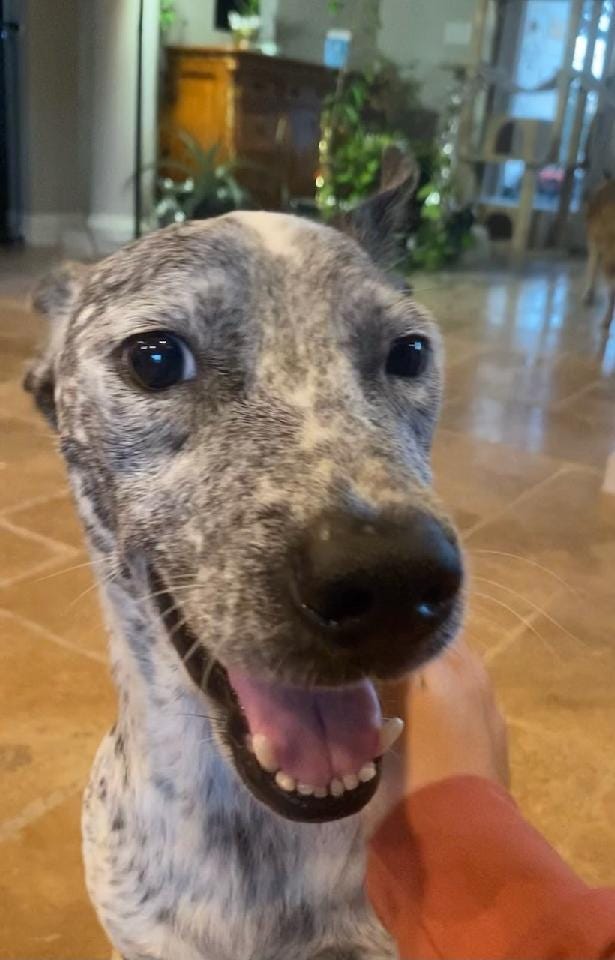
The Forgotten Ones
Pets Left Behind in ICE's Wake

By Denise Boehler, Originally published in The Mountain-Ear, March 19, 2026

In our federal government’s zeal to rid our country of immigrants and asylum seekers, what happens to the four-leggeds who are left behind? In coverage of ICE attacks and abductions, an accounting for remaining pets has been conspicuously absent.
As with any assault by a government on its peoples, animals suffer correspondingly. Colorado animals belonging to at-risk immigrants are not immune. Shelter surrenders are on the increase in Longmont, Boulder, and Denver. Many confirm, on condition of anonymity, that they are seeing intakes resulting from ICE deportations: “Yes, we have;” “Yes, they are also here;” and “Yes, we definitely have animals left behind when their people are deported.” One shelter worker stepped into a private room to whisper: “Yes, we do. It makes me so angry.”

Recent news segments in Minneapolis, Tampa and Los Angeles all confirm that mass deportations are creating an unforeseen, unfolding crisis of abandoned animals. In rural Georgia, a county-funded shelter reports: “We don’t have definitive numbers, but surrenders are just way, way up over the past year. Like 50% to 70% more than usual, and sometimes that does come from ICE activity because the family members that don’t get abducted just can’t take care of the animal and they turn it in.”
A rescue in Georgia pulling dogs from high-kill rural shelters reports: “We don’t know an exact number, because sometimes the dogs just die, left at home after the family gets taken, but it’s dogs, cats, fish, all animals and pets, not just the dogs…Approximately 70% of citizens in the U.S. have pets – at least one – which is 90-95% of families. When [the animals] get sent to shelters, we don’t know the reasons. We just know the number surges in strays when ICE rolls through.”
It begs the question, what makes these animals at-risk? Adding more animals to an overburdened system where the costs of veterinary care, policy restrictions, economic hardship or breed-specific legislation are oft-cited reasons for surrender, as shared by one Denver shelter worker, exacerbates our nation’s pet overpopulation crisis. Open admission county or municipal shelters with no vacancies routinely euthanize healthy, adoptable animals for space. Larger dogs, who are experiencing longer shelter stays, are even more at risk.

It’s a common fallacy that a surrendered animal will find a better home. In fact, Shelter Animals Count, a national database reporting system, shares that 757,000 healthy, treatable and adoptable animals entering our nation’s shelters in 2025 did not make it out alive as policy and pragmatics brutally dictated their lethal fate.
As can be expected in a struggling economy, surrenders are steadily increasing. A Denver-based animal shelter worker confirmed: “While we often aren’t given a reason for surrender, we’re seeing a year-over-year increase in surrenders ever since the pandemic. Some are based on community regulations [breed-specific legislation], rising veterinary costs, and general cost of care.” In response, she offers, their shelter holds free rabies, vaccine and spay/neuter clinics for people in need (Humane Society of Boulder Valley offers similar services, as does True Companions, previously MaxFund Denver).
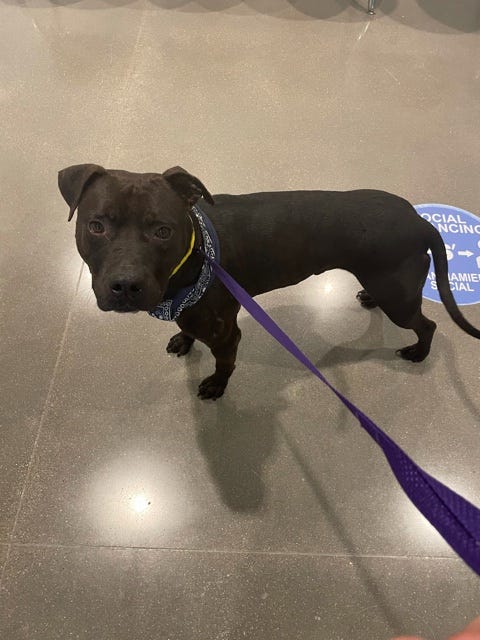
Subsidized or free services are of little comfort to homeless animals put at-risk as a result of immigrant arrests. This Saturday, a trainer-rescue-friend from a Denver-based shelter called: “We just got in a one-and-a-half-year-old Pittie mutt. Her person is being taken into ICE custody. She’s reactive and fearful. Any shelter they take her to will surely put her down.”
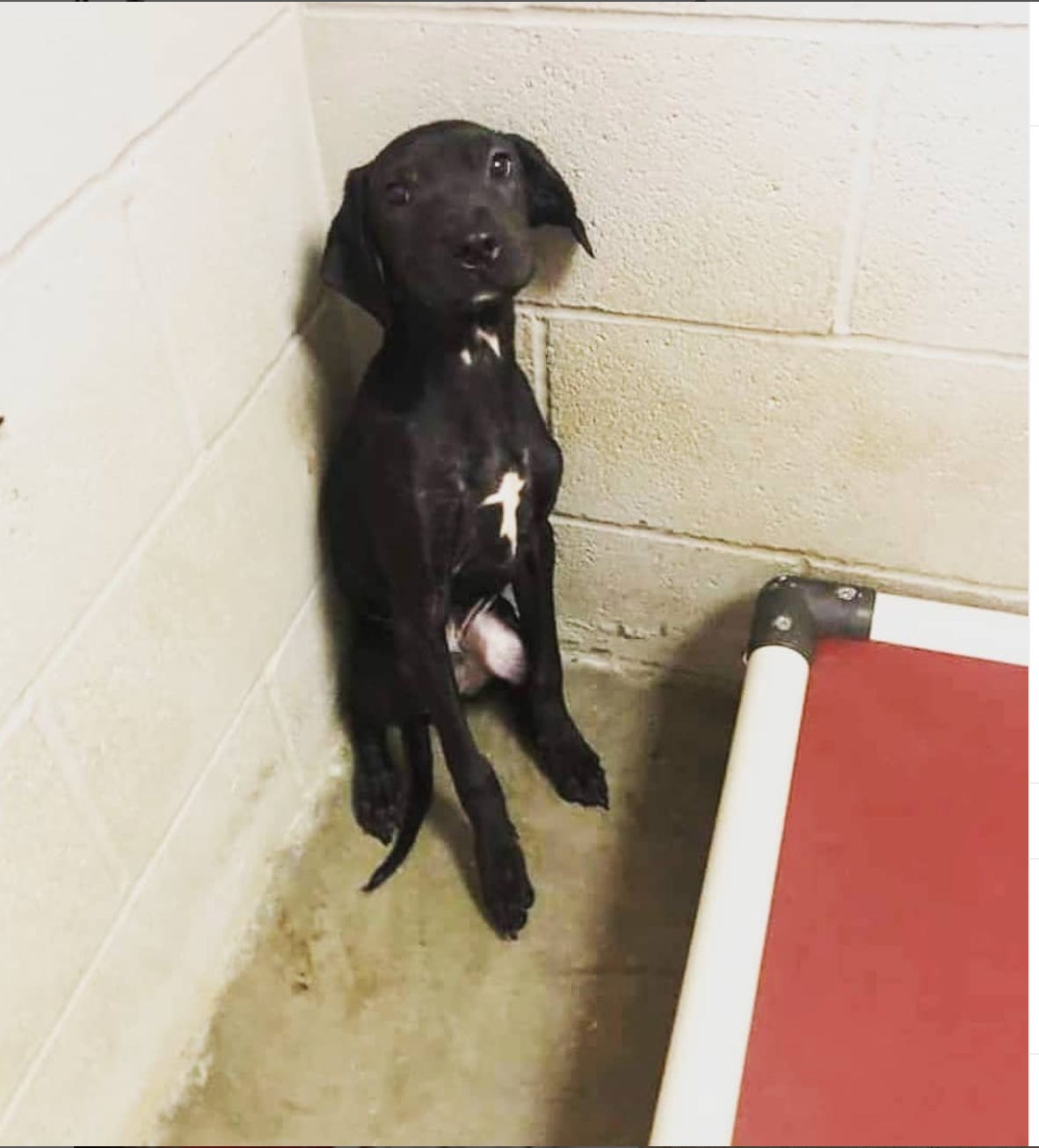
In ICE’s wake, the love for an animal once safe and cared for may be replaced with a flood of sudden fear, loneliness, confusion, anxiety, and stress.
Some communities are responding with online forums offering help. A discussion forum via Maddie’s Fund offers helpful guidance to proactively plan for helping at-risk animals:
- Guardianship papers, including contact information with a copy provided to a potential guardian, on a tag hanging from a dog or cat’s collar, as suggested by Tracy Wells, an attorney volunteering with Peace4Paws, Inc. (The chain-of-ownership issue was also reaffirmed through Elsa Enstrom, Helpline Coordinator with Asheville Humane Society in North Carolina.)
- Animal welfare professional James Pawlowicz with Humane Rescue Alliance reaffirmed the usefulness of proof of caretaker identification – right to reclaim – and providing the backup caretaker’s information to the family’s veterinarian.
- Executive Director Melody Martinez with Multicultural Veterinary Medical Association suggested disseminating information (translated flyers) at community vaccine clinics, low-cost clinics, mobile clinics, and retail pet stores (ala PetsMart) for at-risk immigrants.
- Leaving a key with a neighbor, as suggested by Lauren Warner, President of Lauren’s Lost Cats, or microchipping and registering a contact.
Whether it’s ICE agents accosting a person of color or a warrantless search of family premises, surprise descends upon otherwise peaceful lives. Families flee in the melee. Individuals are routinely seized without opportunity to contact friends or family members as they are handcuffed and subsequently deported. To avoid compounding the tragedy, animal lovers can help proactively by informing any at-risk immigrant friend of the resources mentioned in this article, as well as by staying alert to ICE activity in our communities.
And to help offset the harm of love now left behind, consider fostering or adopting from your local shelter. Gratitude in the form of four paws awaits.